




How Objects Gain Meaning Over Time
How some objects quietly become part of life.
Written by Janeca Racho, 54kibo Contributor
Reviewed by Sarah Medina, 54kibo Editorial Manager

Most people know the moment when an object starts feeling harder to replace than expected.
At first, it may not seem especially important. It is simply there, used often, and reached for without much thought. Then, after enough use, it starts to feel different.
A stool used every morning. A favorite chair reached for each evening. A bowl chosen again and again. These objects may begin as practical parts of daily life, but over time they can start feeling familiar in ways that are difficult to explain.
People trying to understand how objects gain meaning over time are usually not asking why something looks valuable. They are asking why certain things stay close to daily life while others slowly disappear from it.
Why Do Objects Become Meaningful Over Time
Some objects become meaningful slowly. A chair used to unwind every evening, a mug chosen for morning coffee, or a throw blanket moved from room to room can begin feeling familiar in a way that goes beyond usefulness.
What something cost and what it comes to mean are not always the same. Many meaningful objects do not stand out immediately. Some of the things people keep longest are not always the most decorative or expensive at the beginning.
Their importance often becomes clear slowly. Then one day, replacing them feels strangely difficult.
Meaning Is Not Added At Purchase
Meaning is not added at purchase. It builds through use, care, and time. Some objects become important because they stay involved in ordinary life for a long time. They are handled repeatedly, moved through changing routines, carried between spaces, and used often enough to become familiar.
Objects do not become meaningful simply because they are visually beautiful or carefully chosen. Often, they become important because they continue supporting life long after they were first brought home. An object gathers meaning over time not through display but through continued presence.
For more reflections on continuity, grounding, and the objects that quietly shape everyday life, receive future essays and thoughtful guidance below.
The Quiet Relationship Between Material And Meaning
Continuity helps meaning form, but material makes that change visible. A surface touched often begins to feel familiar. A ceramic bowl used for years may carry memories of repeated meals. A woven object moved through different rooms may gather meaning through how often it is handled, seen, and returned to.
Repeated use changes how people experience an object. Care changes perception too. Objects that are cleaned, repaired, moved, held, or used repeatedly often begin feeling connected to daily life.
This reflects a broader African design understanding: objects are not valued only as display, but through use, care, and continued presence in daily life.

How Objects Tell Our Stories Through Everyday Use
Once people understand that meaning forms through use and time, the pressure around significance begins to soften.
Some value only becomes visible after an object has lived with you for a while. Certain things become important not because they felt extraordinary from the beginning, but because they stayed present long enough to become part of daily life. The question becomes less about whether something feels meaningful immediately and more about whether it can continue supporting life over time.
One useful place to begin is noticing what naturally returns to everyday life. Some pieces remain useful, supportive, or present without demanding attention.
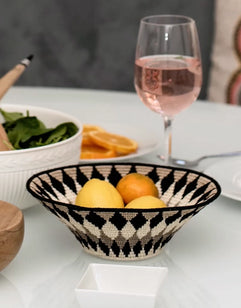
A ceramic serving bowl used across ordinary weeknight dinners for years can quietly become more meaningful than something brought out only occasionally to be admired.
Continuity matters more than novelty. Objects that support life repeatedly tend to gather meaning because they remain involved in routines, shared spaces, and everyday use.
Some Objects Quietly Become Part Of Life
The objects people value most deeply are often not the ones that demanded the most attention at the beginning. More often, they are the things that stayed present through ordinary life. They were used repeatedly, cared for consistently, and woven into routines, gatherings, and shared spaces.
Meaning rarely arrives immediately. It forms through the routines, care, and memories that build around an object. Eventually, some things stop feeling separate from daily life and begin feeling like part of the home.
Most people only understand why an object mattered after it has already become part of their life.
For more reflections on continuity, belonging, and the quiet ways meaning forms through everyday living, receive future essays and thoughtful guidance below.
Continue Reading
- What Makes an Object Worth Keeping for Years?
- Why Some Homes Feel Settled Immediately
- What Makes a Home Feel Like Home?

Janeca is a trained journalist and storyteller with a background in public relations, media, and corporate communications. She now writes freelance, drawn by the freedom to travel and explore her craft. When she’s not writing, she finds inspiration in design styles from around the world, curating boho-meets-coastal pieces for her beachside home.