






Minimalist Decor for the Modern Home: Creating Space for Calm, Clarity, and Everyday Living
Creating calm, grounded spaces through warm minimalism and intentional living.
Written by Janeca Racho, 54kibo Contributor
Reviewed by 54kibo Editors

The pull toward minimalist decor often begins during a busy season, when the home starts to feel visually heavy and you find yourself craving a little more calm in the spaces you move through every day. So for many people, minimalism becomes less about style and more about creating breathing room. It is a way to shape spaces that feel calmer, lighter, and more supportive of everyday life.
Today’s minimalist home decor looks very different from the stark interiors of the past. Modern minimalist design embraces softness, texture, and cultural depth, creating rooms that feel clear without feeling cold. It values restraint without erasing personality. In moments when calm feels especially important, minimalist decor becomes a way of shaping how a home feels to live in, not just how it looks.
What Minimalist Design Represents: Choosing with Intention
At its core, minimalist design is about choosing with care. Minimalist interior design favors clarity over excess, allowing each piece in a room to serve a role, whether it’s functional, visual, or emotional. Rather than stripping a space bare, minimalism edits gently, making room for what truly belongs.
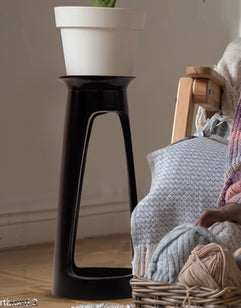
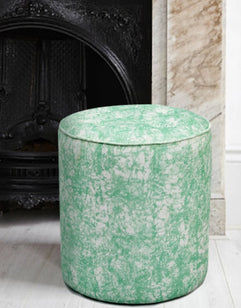
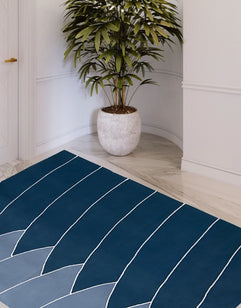
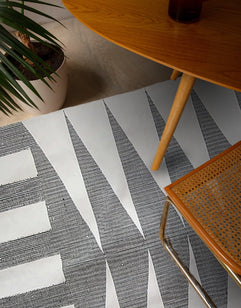
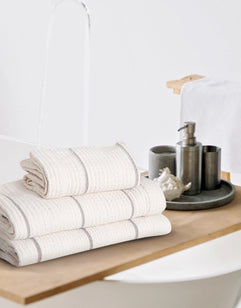
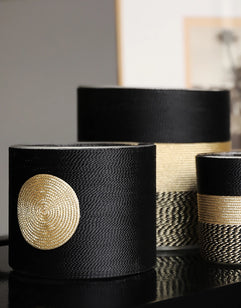
Neutral palettes, organic textures, clean silhouettes, and negative space shape modern minimalist homes, but they do not define them alone. What gives minimalist decor its warmth is material and craftsmanship. Natural wood, linen, ceramics, woven fibers, and stone soften hard edges and invite touch, preventing rooms from feeling sterile. With fewer objects competing for attention, texture and proportion take on deeper meaning.
Minimalism also adapts easily across traditions. It blends naturally with Scandinavian calm, Afro‑modern elegance, and global influences, allowing culture and personal history to remain present even in restrained spaces. In this way, minimalist home decor becomes a quiet expression of identity and a reflection of how you want to live, move, and rest within your home.

Minimalist Wall Decor: Creating Visual Calm and Daily Grounding
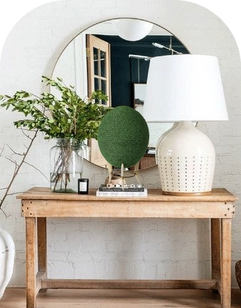
Walls shape the emotional tone of a room from the moment you enter. In minimalist home decor, wall decor plays a subtle but powerful role in creating visual calm. A thoughtfully edited wall anchors the space without demanding attention, allowing the room to feel open and mentally restorative.
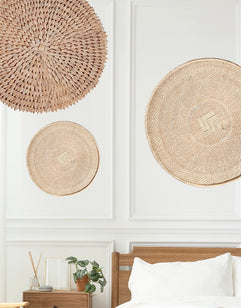
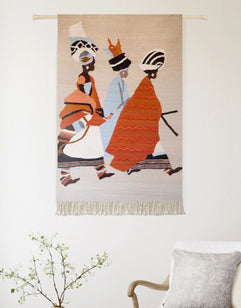
In a minimalist living room, a single oversized piece of minimalist wall art often carries more presence than a crowded gallery wall. Textured finishes—handwoven wall hangings, framed textiles, sculptural wall decor—introduce warmth while preserving clarity. Minimalist wallpaper with tonal patterns or organic lines adds movement without overwhelming the eye, offering depth that feels calm rather than busy.
In the bedroom, minimalist bedroom decor like vertical art and sculptural wall decor support rest by creating softness and balance. They benefit from natural materials and artisan‑crafted forms that feel grounding instead of decorative. When chosen with intention, minimalist wall decor becomes part of daily ritual, quietly shaping how focused, rested, and at ease a space feels over time.

Minimalist Furniture: Supporting How You Move, Rest, and Gather
Minimalist furniture shapes how you move through your home and how your days unfold. In minimalist interior design, furniture is not meant to dominate a room but to support it. Clean lines and open silhouettes create breathing room, reducing visual noise and allowing routines to unfold with ease.
Warm minimalism softens these forms through material and proportion. A minimalist couch or minimalist sofa upholstered in textured fabric invites lingering without heaviness. A sculptural coffee table or minimalist dining table anchors shared moments without distraction. In workspaces, a minimalist desk with softened edges and discreet storage encourages focus while keeping surfaces visually calm.
Because minimalist furniture tends to remain in place longer, longevity becomes part of its value. These are pieces chosen to live with you through seasons of change—supporting conversation, rest, and everyday function while allowing handcrafted details and cultural craftsmanship to quietly stand out.

Seasonal Minimalist Decor: Quiet Rituals of Renewal
Minimalism does not ask a home to remain static. Instead, it invites gentle rhythms that acknowledge time passing (link to Seasonal Rituals of Home) without accumulation. Seasonal minimalist decor becomes a ritual of renewal, allowing subtle changes to refresh a space while preserving clarity.
Approached this way, seasonal decor becomes less about display and more about presence. They are the small gestures that mark transition while protecting the sense of grounding you have created.
Living With Minimalism: Creating Space for Ritual, Focus, and Ease
Beyond objects and surfaces, minimalist decor shapes how a home supports everyday living. With fewer visual distractions, daily rhythms begin to settle. Morning light feels more intentional when it moves across open space. Evenings slow more naturally in rooms where texture and proportion quietly guide the mood.
Minimalist living room decor often centers on soft forms and layered neutrals that invite conversation without competition. In kitchens and dining areas, restraint allows gathering to remain the focus. In bedrooms, minimalist bedroom decor shaped by light, fabric, and silence encourages deeper rest and easier transitions at the end of the day.
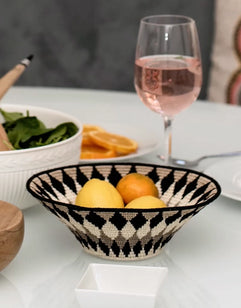
This way of living does not remove personality but reveals it instead. What remains visible carries more weight: a hand-thrown ceramic bowl, a woven textile, a bench shaped by hand. Minimalist interior design becomes less about what is absent and more about what is chosen to stay.
Minimalist decor is not about having less for its own sake. It is about creating space to breathe, to focus, and to live with intention. Through careful edits, open space, and craftsmanship that feels personal, a home begins to feel calmer, more grounded, and quietly supportive of everyday life.
Continue Reading
If this resonates, explore more articles on thoughtful design and intentional living.
Modern Home Decor Ideas for Real Life Living: Designing Spaces That Support How You Live

Janeca is a trained journalist and storyteller with a background in public relations, media, and corporate communications. She now writes freelance, drawn by the freedom to travel and explore her craft. When she’s not writing, she finds inspiration in design styles from around the world, curating boho-meets-coastal pieces for her beachside home.





Comments