











What to Buy First for a New Home (and What Can Wait)
Starting over doesn’t require finishing everything at once.
Written by Janeca Racho, 54kibo Writer
Reviewed by Sarah Medina, Editorial Manager

Standing in a new home can feel calm at first. The rooms are quiet. The walls are bare. But almost immediately, pressure builds. Decisions stack up before you’ve had time to understand the space.
What belongs here? What should come first? What happens if you choose wrong?
The difference between living in a home and finishing a home begins to blur, and even simple choices start to feel permanent.
For many people, this is when searches for what to buy first for a new home begin. Not because they want to rush, but because uncertainty feels uncomfortable. In the absence of familiar cues, even new home essentials can feel harder to identify than expected.
What often isn’t acknowledged is this: overwhelm does not mean you are bad at choosing. Often, it simply means you are choosing without context because you are deciding before you’ve actually lived in the space.
Decision Pile-Up: First Home & First-Year Decisions
The first year in a new home carries a particular kind of pressure. Everything feels equally urgent because everything is unfamiliar. Furniture, lighting, rugs, storage — too many decisions compete at once.
Some purchases shape how a home functions every day. They influence circulation, light, gathering, and long-term layout. Others can change later without much disruption.
When you don’t yet know which is which, every choice feels structural.
A home begins to feel like yours through daily use, not through finishing it all at once. But in the early weeks, use hasn’t formed yet. So the mind treats every decision as permanent.
That’s why first-year decisions can feel so heavy. Not because they all matter equally, but because order hasn’t emerged yet.
Sequencing restores hierarchy. When you separate foundational purchases from flexible layers, urgency decreases. You don’t need fewer choices. You need order. In practice, this often means distinguishing between structural anchors like lighting, proportional stabilizers like rugs, and decisions that simply need more time before they are made.
In considered interiors, sequencing is not accidental. Designers assess which decisions will shape circulation, light, and daily use before recommending expressive layers. Hierarchy is not about spending more first — it is about placing weight where it belongs.
Clarity deepens when you look closely at which decisions truly anchor a home. Pieces like Why Lighting Is the First Real Investment in a Home and Rugs as Anchors: How to Ground a Room From Day One explore how certain choices shape circulation, mood, and daily use early on, while still leaving flexibility elsewhere. Not every purchase carries the same gravity, and understanding that difference changes how the first year unfolds.
Why Buying Everything at Once Often Leads to Regret
Overwhelm surfaces early because a new home removes the cues that normally guide decisions. Familiar signals haven’t formed yet. You don’t know how the light settles in the afternoon. You don’t know which room you’ll naturally gravitate toward. You don’t know how circulation will actually flow.
In that absence of lived experience, buying everything at once can feel efficient. It promises closure. It promises completion. But when too many choices arrive simultaneously, discernment weakens.
Low-impact decisions begin to feel as consequential as foundational ones. A side table can feel as permanent as lighting. Decorative layers can feel as structural as layout.
Purchases made too early often don’t fit as well once real routines begin. This is not a failure of taste. It is a sequencing issue.
Objects gain meaning by remaining in your life over time. Purchases made too early often lack the lived experience that allows them to feel settled.

What to Buy First—and What Can Wait
If the goal is to reduce friction rather than complete a room, start with purchases that stabilize daily life.
The first things to buy for a new house are usually the ones that support function before expression:
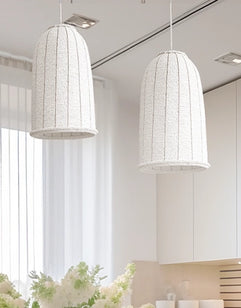
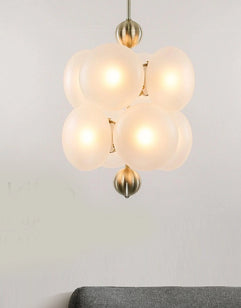
- Lighting that supports how you live in the evenings
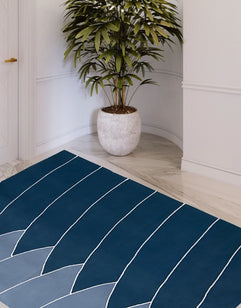
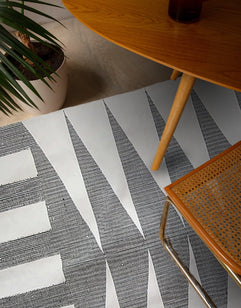
- A rug that grounds movement and circulation
- Seating that makes daily gathering possible
These decisions shape how the home works day to day. They influence flow, comfort, and connection. They anchor the space without overdefining it.
Other elements can wait. Decorative layers. Accent pieces. Smaller objects that add personality but do not determine how the space functions.
When anchoring decisions are separated from flexible ones, pressure softens. Waiting no longer feels like delay. It feels measured.
Restoring Order Without Rushing Decisions
A new home does not require immediate completion. It requires enough time for real routines to form. Life transitions reduce clarity. Reduced clarity makes decisions feel heavier than they are. And sequencing lightens that weight.
Instead of asking what will complete this room, ask what will make living here easier today. Objects that last through seasons and life changes reduce friction because they continue to work as your life evolves. Not because they prove permanence, but because they remain useful.
Meaning is earned through living with something. When you buy in stages, you give the home room to respond to you. And when the home responds, hierarchy becomes clearer.
Not everything needs to be resolved at once. Some decisions belong to this moment. Others belong to later ones. A home takes shape steadily when purchases follow lived experience instead of racing ahead of it.
Continue Reading
These articles help you think through what comes next.

Janeca is a trained journalist and storyteller with a background in public relations, media, and corporate communications. She now writes freelance, drawn by the freedom to travel and explore her craft. When she’s not writing, she finds inspiration in design styles from around the world, curating boho-meets-coastal pieces for her beachside home.