











Kitchen Decor Ideas: How to Think About Style and Function Before You Change Anything
Why great kitchens don’t come from trends or products, but from understanding how the space is meant to work
Written by Janeca Racho, 54kibo Contributor
Expert insight by Erin Rudy, Interior Designer
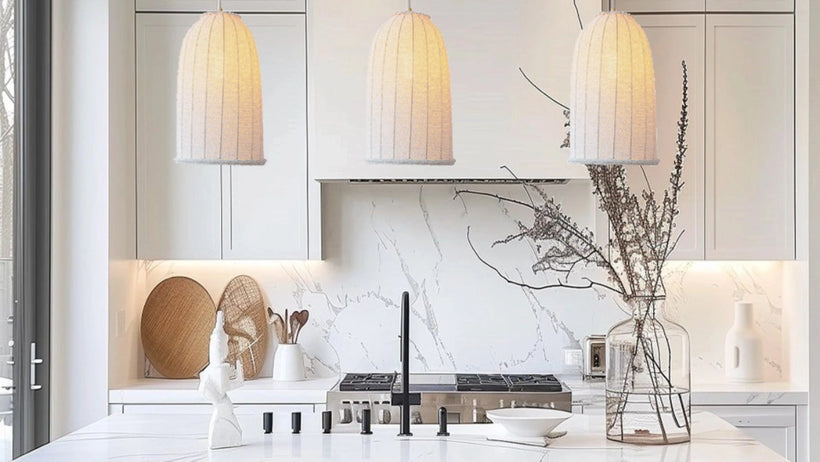
When people search for kitchen decor ideas, they are often looking for visual inspiration. Images, trends, and beautifully styled spaces make it easy to focus on surfaces first—lighting, rugs, shelving, finishes—because the assumption is that the right combination of decor will naturally create a kitchen that feels both stylish and functional. This approach, however, often leads to a familiar frustration.
The kitchen may look good on paper, yet feel awkward to use. Movement feels constrained, storage feels insufficient, and the space photographs well but never quite settles into daily life. The misunderstanding is subtle: many people treat decor as the starting point, when in reality, decor only works well when it follows a deeper logic about how the room functions and how it is lived in.
Rethinking Where a Kitchen Really Begins
Before finishes or style enter the conversation, the most important question is how the kitchen moves. Flow shapes everything that follows. How close prep areas are to sinks and stoves, how easily people pass through the space, and whether walking paths feel natural or forced.
In many kitchens, small layout misalignments—too little clearance around an island, prep zones placed too far apart, storage location that interrupts movement—create daily friction. When flow works, almost any style can succeed, but when it fails, no amount of beautiful decor can compensate. This is why experienced designers often evaluate circulation and spacing before thinking about lighting, shelving, or surface finishes.
How Personality Enters Through Materials, Not Objects
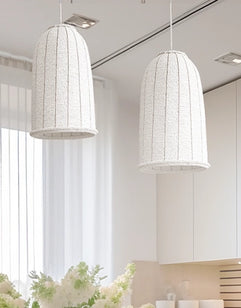
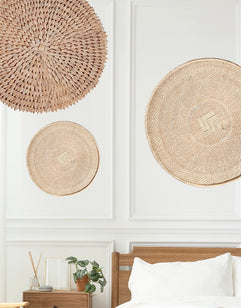
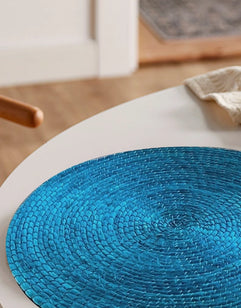
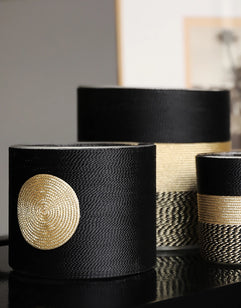
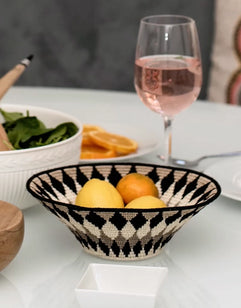
Once the basic layout is working, the personality of the kitchen usually comes from the materials you live with every day, not from decorative objects. The surfaces you touch and the finishes you see repeatedly shape how the room feels over time. A smooth counter paired with a more textured backsplash can soften the space. Woven stools or natural wood introduce warmth without competing with the architecture.
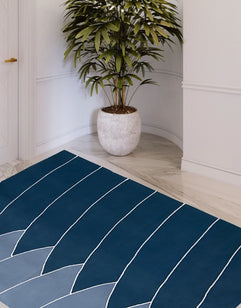
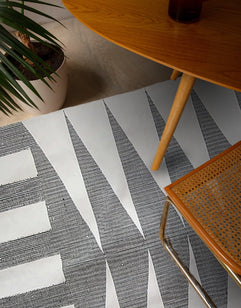
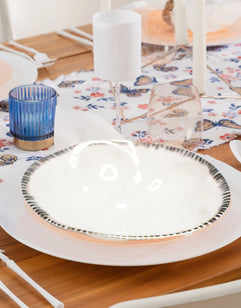
Color tends to work the same way. A neutral foundation keeps the room calm and flexible, while a few carefully chosen accents—through tile, rugs, or everyday dinnerware—add character without making the space feel busy.
Why the Most Livable Kitchens Avoid Chasing Trends
When people think about kitchen style, they often frame the choice as trendy versus classic. In practice, most successful kitchens sit somewhere in between.
Coastal and rustic kitchens remain enduring for a reason. Light woods, soft hues, natural materials, aged metals are design elements that persist not because they are fashionable, but because they age well and feel comfortable over time.
Rather than committing to a single aesthetic, many designers introduce only a few style cues. The goal is not to define the kitchen by a look, but to let the space feel settled rather than dated.

Designing for How the Space Is Actually Used
Inspiration is easy to find. Pinterest, social media, and design books offer endless examples of beautiful kitchens, but not every image translates to everyday use.
One of the most common gaps in kitchen design appears between how a space looks and how it functions under real routines. Families need durability, small kitchen spaces need flexibility, and shared spaces need clarity of movement and storage.
The most effective kitchens are not those that imitate images most closely, but those that quietly adapt to the habits of the people who use them. Decorator and home design expert Erin Rudy, owner of Milestone Home Design in Cleveland, agrees that form should follow function, not fight it. “A well-planned layout makes everything else easier,” she says. “But there are definitely times when a favorite island, table, or light fixture becomes the starting point. When that happens, we let the rest of the design support that piece so it still functions well and looks intentional.”
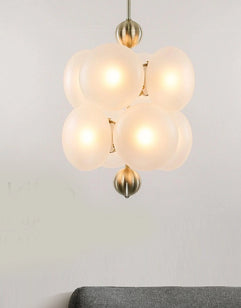
In other words, when design is anchored in usability, every choice you make will naturally fall into place. “Color and texture go a long way,” she adds. “I often suggest rugs, seating, or lighting to bring personality into a kitchen, but it’s important to keep the balance so the flow stays intact.”
Seeing These Principles at Work in Real Spaces
In small kitchens, these ideas become especially visible. When space is limited, flow determines whether the room feels open or crowded. In larger kitchens, the same logic applies differently. Long work zones benefit from clear circulation paths, open shelving introduces warmth without clutter, and lighting helps define activity areas without segmenting the room.
Across all sizes, the relationship between layout, texture, and restraint remains consistent. That’s because the goal is not to add more, but to let the room function smoothly while feeling intentional.
What This Way of Thinking Makes Possible Later
Understanding these principles changes how people approach future decisions. Instead of asking which finishes to choose first, they begin by observing how the room moves. Instead of copying trends, they look for materials that will age well. Instead of decorating first, they design for use.
This perspective does not require immediate action. It simply prepares the ground for better decisions later, when the time comes to update, renovate, or reimagine the space with clarity rather than impulse.
Continue Reading
IIf this resonates, the following articles explore these ideas further.
Want Better Kitchen Shelves? A Designer’s Guide for Styling Them Right

Janeca is a trained journalist and storyteller with a background in public relations, media, and corporate communications. She now writes freelance, drawn by the freedom to travel and explore her craft. When she’s not writing, she finds inspiration in design styles from around the world, curating boho-meets-coastal pieces for her beachside home.





Comments