
















Common Mistakes After Renovation (and How to Avoid Them)
Understanding why renovation regret often appears after completion and how to prevent it before installation decisions are fixed.
Written by Janeca Racho, 54kibo Contributor
Expert insight by Limor Baum, Interior Designer

Renovation regret does not usually happen during construction. Progress is visible, decisions feel resolved, and each step moves the space closer to completion. The room photographs well, and everything appears finished.
Then the space begins to be used. Light shifts throughout the day, furniture settles into place, and small problems begin to surface. Clients often sense the change before they can explain it, noticing that something is not working but not yet knowing where to look. What seemed complete and satisfying at first can begin to feel less certain in everyday use.
Home renovation mistakes often surface once installation decisions begin to affect how the space is actually used. What worked on paper does not always translate the same way in real life, and once wiring sits behind walls and mounting points are fixed, changes are no longer easy to make.
At that point, hesitation begins to carry more weight. Each adjustment requires more effort and disruption, which is where installation anxiety tends to build. It is not a question of knowing what you like, but of how difficult it becomes to change something once it is in place.
Why Installation Decisions Carry More Risk Than Expected
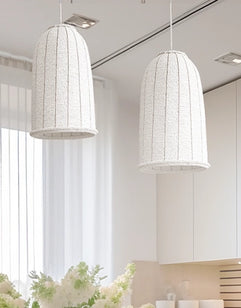
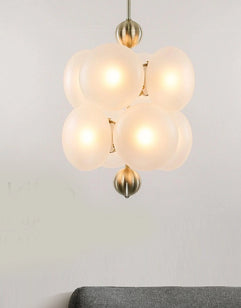
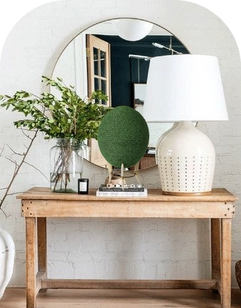
Most renovation mistakes can be traced back to decisions that were made too early. Lighting selected without considering how the room feels at night, artwork chosen for impact without accounting for ceiling height, and mirrors placed for symmetry without matching how people actually use the space can all become things people later regret.
These issues rarely seem important during planning, but they become significant after installation, when they are harder to change. Electrical placement, tile cuts, and mounting points are built into the room. Once they are set, they begin to shape how the space works.
In these instances, renovation mistakes often come down to decisions made out of sequence. Permanent elements are often fixed before people fully understand how the room will be used, and that mismatch tends to surface after the project is complete. This is one of the most common patterns designers see.
Why Timing Matters More Than Taste
After renovation, people have not yet learned how they will use the room, so when decisions are made before these patterns are clear, they can feel wrong later. A light that feels balanced during the day may cast harsh shadows at night, and artwork that looks right on its own may feel off once furniture is in place. Over time, these small misalignments begin to interrupt how the room feels to move through and live in.
These patterns usually appear after the room is lived in, not when it is first completed. And that is why timing matters. What feels like progress during renovation can create problems later if decisions are finalized too early.
Slowing Down Structural Decisions
Installation anxiety eases when decisions are tested in real use rather than based on assumptions. That said, this does not mean delaying everything. It means giving more time to the elements that are difficult to change.
As interior designer Sara Davis, ASID, owner of Artful Conceptions, notes, many of the most common regrets come from decisions made under pressure or in pursuit of a certain look, rather than how the space actually needs to function. “When that happens, it’s important to assess the direction the home will be going before we make that kind of commitment.”
Lighting should be observed at different times of day before it is finalized. Artwork can be positioned and adjusted before it is permanently mounted. Mirrors can be tested against actual eye level rather than relying only on measurements. And rather than viewing these actions as hesitations, this slowing down is about learning how the room actually works.
Designers often approach this stage by observing rather than acting. They study how the room is used day to day. They notice how light moves, how people move through the space, and how objects relate to one another once the space is occupied. And what may look like a delay is usually careful sequencing.

Installing With Intention
Costly renovation mistakes often come from changes that are difficult to undo. Moving electrical lines, repairing walls, or repositioning installed elements disrupts the feeling that the renovation is finished. And it is that disruption that makes regret feel more frustrating, not the mistake itself.
What prevents this is not fear or hesitation, but making decisions with enough understanding. When elements that shape daily use are evaluated before they are fixed in place, the room begins to feel more stable. Lighting supports how the space is used at night, artwork fits the proportions of the room, and mirrors reflect how people actually move within it. Rather than slowing the project down, these decisions help protect it.
Avoiding Regret Through Sequence
Home renovation mistakes often show that something was completed before people understood how it would work. When decisions follow the right sequence, permanence feels less risky because it gives people time to learn how the room functions before everything is fixed in place.
Installation anxiety begins to ease when choices are based on real use rather than on assumptions. And when decisions follow that understanding, the room no longer needs correction. Instead, it begins to feel complete in use, not just in appearance.
Hence, a finished room is not defined by how quickly it was completed, but by how well it supports daily life once it is in use.
Continue Reading
If you are navigating structural decisions, these articles extend the same framework:

Janeca is a trained journalist and storyteller with a background in public relations, media, and corporate communications. She now writes freelance, drawn by the freedom to travel and explore her craft. When she’s not writing, she finds inspiration in design styles from around the world, curating boho-meets-coastal pieces for her beachside home.