













Understanding Scale After Renovation: Why Proportion Matters More Than Ever
A renovation can fix finishes and still leave a room feeling unsettled.
Written by Janeca Racho, 54kibo Contributor
Expert insight by Limor Baum, Interior Designer

After renovation, many homeowners get that feeling that something is off, even if they cannot explain why. The room looks improved, but something no longer feels right. This shift is immediate, but clients often struggle to name it.
Pieces that once felt right can begin to feel smaller, out of place, or no longer connected to the room. A sofa that once felt generous may now feel undersized, and artwork that once held attention can begin to drift within the wall.
In most cases, this is not a question of taste. Rather, it is a shift in scale and proportion. That’s because renovation changes how a space is perceived. Ceiling height feels different, openings widen, and circulation becomes clearer, making certain objects feel heavier or lighter in relation to the room. When these reference points change, everything inside the room is measured differently. Thus, that feeling that something is wrong is often due to a mismatch between the room and what is in it.
What Is Proportion in Interior Design After Renovation
To understand why this happens, it helps to define proportion in simple terms. Proportion describes how objects relate to each other and to the room around them. Scale, on the other hand, refers to size in relation to something fixed, such as a wall or ceiling.
After renovation, those reference points change. A higher ceiling draws more attention upward, and wider openings extend what you can see across the space. Similarly, simpler architectural details remove visual interruptions, affecting how objects appear within the room.
Rooms are not only measured against walls and ceilings but also against how people move, sit, and gather. In everyday use, proportion becomes something you feel, shaping how a conversation settles around a seating area, how movement flows through the space, and where attention naturally rests.
Why Renovation Resets Scale and Proportion
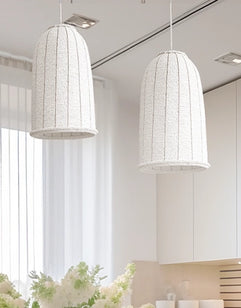
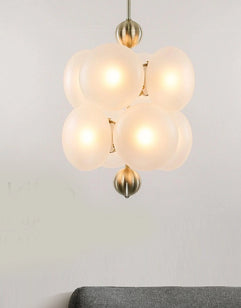
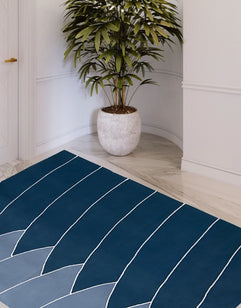
Renovation makes the structure of the room easier to see. It removes distractions and strengthens the layout, making every object in the room more noticeable. As a result, some elements that once felt balanced may now feel out of proportion because the room itself is more clearly defined. A chandelier can feel smaller beneath a clearer ceiling, while a rug can feel disconnected when movement paths shift.
Many perceived renovation mistakes are not design failures but scale mistakes, and correcting them is one of the most common adjustments designers make after a project is complete. What renovation exposes is not poor taste, but a mismatch between the room and what is in it.

Recalibrating Without Overcorrecting
The first instinct after renovation is often to replace what feels wrong, but replacement is not always the answer. When changes happen too quickly, they tend to go too far, with artwork becoming oversized, rugs extending beyond what the room can support, and lighting turning exaggerated rather than responsive.
While design principles can help, they are not rules to apply immediately. As guidelines, they only work once the room is understood. That is why designers rarely begin by replacing everything. They begin by observing, studying ceiling height, negative space, and sightlines, and how the room is being used.
As interior designer Limor Baum, founder of Limor Baum Interiors, explains, the first step is understanding how the body experiences the space. This includes how you move through it, where you naturally pause, and whether anything feels compressed or overly exposed.
“Circulation is often the clearest indicator of whether scale is working. If pathways feel intuitive and comfortable, it’s usually a good sign the proportions are right,” she adds. “I then consider whether each room has the appropriate volume to accommodate the furniture and fixtures it’s meant to hold. If a space feels too tight or overly sparse once those elements are introduced, it’s often a sign that the proportions need further adjustment. I also pay close attention to negative space. A well-proportioned room isn’t just about what’s in it, but what’s intentionally left empty. That breathing room allows the architecture and the objects within it to be appreciated."
Only after understanding these conditions do they begin to adjust what is already there, allowing changes to unfold gradually in response to what the space reveals over time.
How to Get Scale Right After Renovation
Getting scale right begins with understanding how visual importance is distributed across the room. Lighting helps define this and plays a central role in shaping ceiling planes and the edges of a space. As that structure becomes clearer, proportion becomes easier to read.
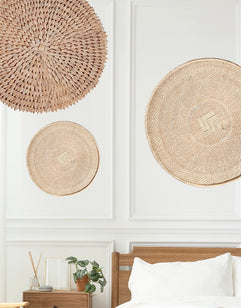
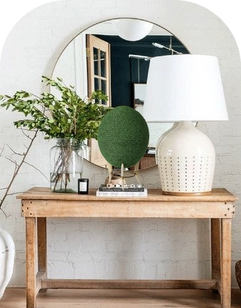
At this stage, adjustments focus on alignment rather than adding more. What is already in the room is evaluated against the updated structure so each element supports it. Mirrors, artwork, lighting, and rugs all interact with the architecture. When they respond to the new proportions, the room begins to feel stable. In contrast, when they are adjusted without that context, imbalance tends to increase.
Confidence in scale builds through precision, where each element fits the room as it now exists.
Why Proportion Matters More After Renovation
After renovation, the room becomes more defined. Cleaner lines, simpler surfaces, and better lighting bring relationships with the space into sharper focus. As a result, proportion carries more weight, not less.
The concern that pieces will feel wrong is often valid because it reflects an awareness that the room has changed. However, that does not mean everything needs to be replaced.
Confidence develops through reassessment, by looking at what is already there against the updated structure. As objects begin to fit the room again, the space settles into a more stable and coherent whole.
Proportion as Stability, Not Perfection
Proportion shows up in how a room holds together over time, prioritizing stability rather than achieving perfection. When objects relate to both the structure of the space and how people move through it, the room begins to feel settled. Movement becomes easier, conversations gather more naturally, and elements sit comfortably alongside one another.
When that relationship slips, even well-designed pieces can feel slightly off. The room may look finished, but something in it resists ease.
With careful adjustment in proportions, that tension begins to resolve. The room becomes easier to live in, supporting daily routines without needing constant change.
Continue Reading
If you are navigating decisions after renovation, these articles extend the same framework:
- Lighting as Infrastructure: Why It Changes Everything
- Common Mistakes After Renovation (and How to Avoid Them)

Janeca is a trained journalist and storyteller with a background in public relations, media, and corporate communications. She now writes freelance, drawn by the freedom to travel and explore her craft. When she’s not writing, she finds inspiration in design styles from around the world, curating boho-meets-coastal pieces for her beachside home.