






How to Choose Furniture by Room: Designer-Approved Tips for Every Space
Good furniture decisions are about flow, not just style.
Written by Janeca Racho, Editorial
Expert insight by Erin Rudy, Interior Designer

Choosing furniture is one of the most exciting parts of decorating a home. It also happens to be one of the easiest places to get stuck. Most people understand, at least in theory, that furniture shapes comfort, movement, and the personality of an entire space. But in practice, the process often becomes reactive. Pieces are chosen one at a time, based on what looks good in isolation or what happens to be available, rather than how each decision fits into a larger plan. In the end, it results in a home that feels furnished but not fully designed.
From modern furniture with clean lines to handcrafted mid century modern furniture with sculptural charm, every choice influences how rooms connect, how people move through them, and how daily life unfolds. The challenge is not finding beautiful pieces but learning how to choose furniture that works across rooms, supports real habits, and creates a sense of continuity from one space to the next.
Designing with Intention Before You Buy
One of the most common misunderstandings about choosing furniture is believing that good results come from good taste alone. In reality, well-designed homes usually begin with planning.
Many homeowners buy furniture piece by piece, often without a clear vision, which leads to rooms that feel more like collections than chapters of the same story. “The key is planning ahead,” says decorator Erin Rudy, owner of Milestone Home Design. “You don’t need to furnish your whole home at once, but starting with a floor plan and a mood board helps you avoid buying pieces that don’t quite work together or overcrowd your space.”
Thinking of rooms as connected rather than separate changes how decisions are made. Instead of asking whether a sofa or table works on its own, the better question becomes how each piece supports the flow from one room to the next. “It’s easier to make intentional choices when you’ve mapped out how each room connects and what role each piece plays,” Erin adds.
Balancing Comfort, Practicality, and Design
Another common mistake is treating comfort and design as competing priorities. A sofa may look stunning in photos, but if it does not invite you to sit for hours, it fails its purpose. In well-designed homes, form and function are not opposing forces. Instead, they shape each other.
And because function changes from room to room, the balance between the two changes as well. Different rooms simply place different demands on furniture. In living room furniture, supportive seating and durable upholstery matter as much as silhouette. In dining room furniture, surfaces must withstand daily use while still feeling intentional. These are social rooms where comfort shapes how people gather and linger.
Functional spaces like kitchens and offices reverse the order. Efficiency comes first, but even practical furniture can contribute to the design language of the home. Storage with sculptural details, tactile finishes, or thoughtful proportions elevates utility into design.
Designing for Small Spaces Without Compromise
Small spaces tend to expose poor furniture choices more quickly than large ones. An oversized piece of furniture can immediately overwhelm a room, while undersized pieces make it feel temporary or unfinished.
The challenge in small spaces is scale and flexibility, but that doesn’t mean finding miniature versions of large furniture. Instead, it’s about choosing smart pieces that perform multiple roles without visual clutter, says Rudy. “Hidden storage is a go-to, like beds with drawers or ottomans that open up. Pieces with legs, like sofas or nightstands, let you see more floor space and help things feel less cramped. It’s all about keeping the room feeling open while still offering function,” she explains.
For apartment furniture, modular and foldable pieces offer adaptability as layouts and needs change. In kids bedroom furniture and nursery furniture, longevity matters. Cribs that convert, dressers that can evolve into desks, and baby furniture that blends into the broader aesthetic reduce the need for constant replacement.
Applying the Framework Room by Room
Once the principles of flow, function, and scale are clear, it becomes easier to apply them across the home. In bedroom furniture, timeless materials such as wood and linen age gracefully and create calm. Accent chairs and side tables add contrast without overwhelming the space.
In living room furniture, seating should fit both the room and the lifestyle. Sectionals suit families, compact loveseats suit apartments, and proportion matters more than trend. Coastal furniture creates softness, while contemporary furniture sharpens lines.
Dining room furniture anchors gatherings. Tables should encourage conversation, and chairs should balance comfort with sculptural presence. Kitchen furniture benefits from durable materials that handle daily use without sacrificing design.
Home office furniture must prioritize ergonomics and light placement. Mid century furniture often works well here, offering heritage forms with modern performance.
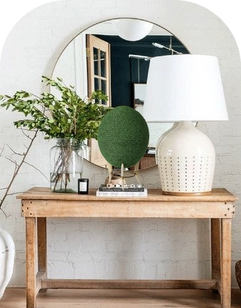
Entryway furniture establishes the first and last impression of the home. Consoles, benches, and mirrors carry both functional and symbolic weight. Outdoor furniture, meanwhile, must balance durability with continuity, extending the interior design language beyond the walls.
Across all rooms, the same principles apply: scale, purpose, flow, and longevity.
How Designers Think About Longevity
Trends move quickly. Furniture lasts much longer. For many homeowners, well-designed furniture becomes a long-term investment and sometimes even an heirloom. That makes construction and craftsmanship as important as appearance.
“I always recommend looking beyond looks and focusing on how something is made. Solid wood or metal frames, reinforced joints, and quality hardware are all signs a piece will last. If a chair wobbles in the showroom or a table feels flimsy, it’s probably not worth the investment,” says Rudy. “Measuring carefully and thinking about how each item fits your everyday life goes a long way toward making choices that stick.”
Longevity often comes from restraint. Rather than matching every room to a theme, designers tend to choose pieces that can adapt as styles shift. Cohesion comes from proportion and material more than from repeating motifs. This is what allows a home to evolve without constant replacement.
What This Way of Thinking Enables
Learning how to choose furniture by room is less about memorizing rules and more about developing a way of thinking. When planning comes before shopping, when comfort is weighed alongside design, and when rooms are seen as connected rather than isolated, furniture decisions become clearer and more confident.
Instead of asking whether a piece is fashionable, it’s better to consider whether it supports how the home is actually lived in.
Continue Reading
If this resonates,, the following piece explores related design decisions you may find helpful.
15 Entryway Furniture and Decor Ideas That Make a Lasting First Impression

Janeca is a trained journalist and storyteller with a background in public relations, media, and corporate communications. She now writes freelance, drawn by the freedom to travel and explore her craft. When she’s not writing, she finds inspiration in design styles from around the world, curating boho-meets-coastal pieces for her beachside home.





Comments